In poultry farming, feed quality is one of the most important factors determining profitability. Whether you raise broilers, layers, or dual-purpose birds, the right nutrition directly affects growth rate, egg production, immunity, and overall farm performance.
High-quality poultry feed supports faster weight gain, stronger eggshells, and better feed conversion ratios. Poor-quality feed, on the other hand, leads to stunted growth, weak shells, low egg yield, and increased mortality.
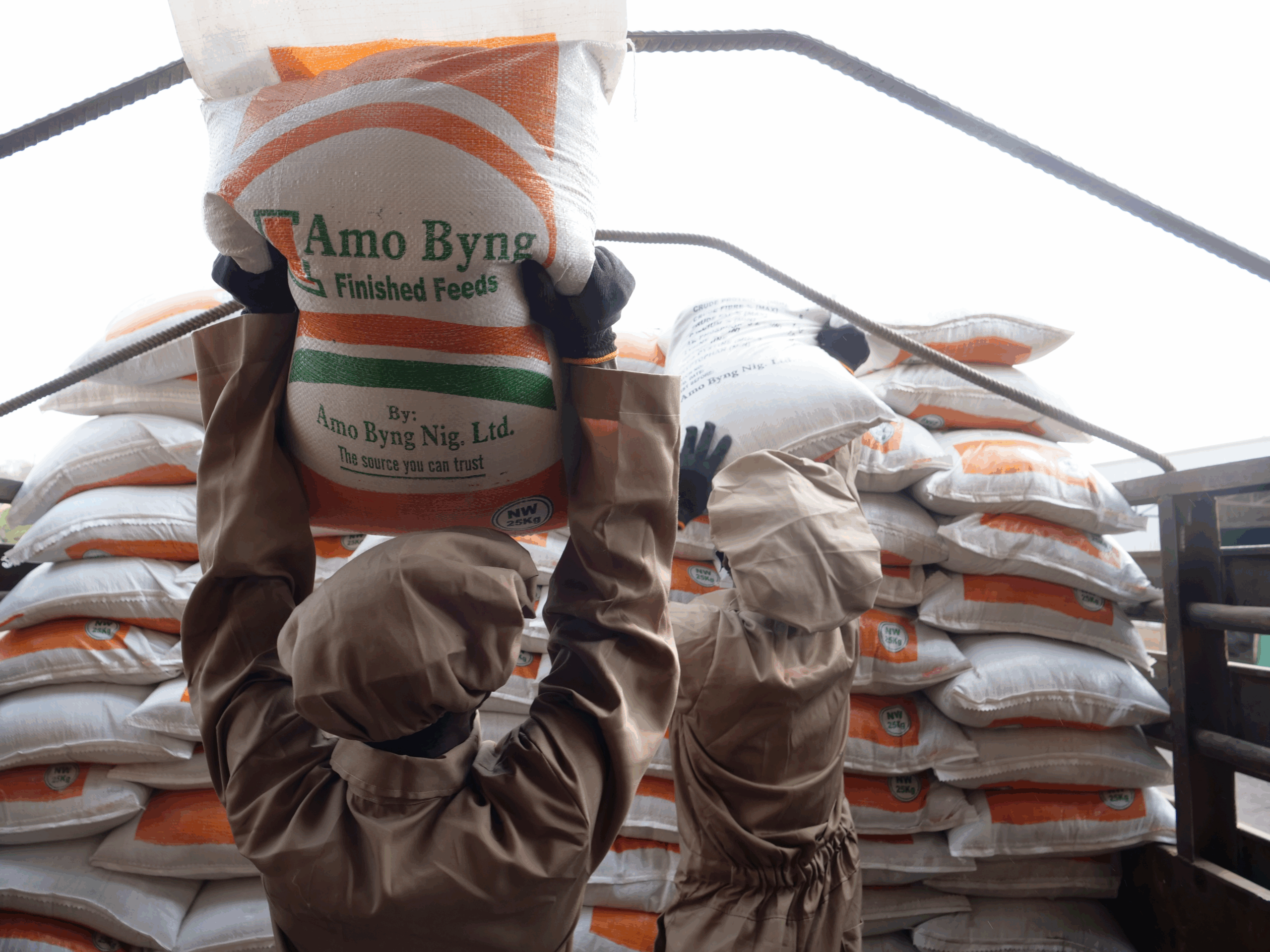
At Amo Byng Nigeria Limited, we understand that nutrition is the foundation of poultry success. That is why delivering balanced, high-performance feed solutions remains central to supporting farmers across Nigeria.
The Role of High-Quality Feed in Poultry Growth
For broilers and growing birds, nutrition determines how efficiently they convert feed into body weight.
Protein Content and Muscle Development
Protein is essential for muscle formation and overall body growth. Low-protein feed slows growth, reduces meat quality, and increases production time. Balanced protein levels improve weight gain and farm turnover.
Energy Sources for Productivity
Grains such as maize and wheat provide the energy birds need for daily activity and growth. When energy levels are inadequate, birds become weak, eat more inefficiently, and produce less.
Essential Amino Acids: Lysine and Methionine
Amino acids such as lysine and methionine are critical for tissue growth, immune strength, and feather development. Deficiencies result in poor growth performance and reduced flock uniformity.
Minerals and Vitamins for Bone Strength
Calcium, phosphorus, and vitamin D3 support bone development and prevent leg disorders. Proper mineral balance reduces skeletal issues and improves overall bird stability.
Feed Quality and Egg Production in Layers
Layer performance is directly tied to diet quality. The number of eggs produced, egg size, yolk quality, and shell strength all depend on proper nutrition.
Calcium and Phosphorus for Eggshell Strength
These minerals are vital for shell formation. Inadequate calcium leads to thin, cracked, or broken eggs, increasing losses and reducing market value.
Protein and Amino Acids for Egg Size
Adequate protein intake supports consistent egg size and production levels. A deficiency often results in reduced laying rates and smaller eggs.
Proper Energy Balance
Layers require carefully balanced energy levels. Too little energy leads to smaller eggs, while excess energy can cause obesity and decreased egg production.
Vitamins for Reproductive Health
Vitamins A, D, E, and the B-complex group support reproductive efficiency, yolk quality, and hatchability. Deficiencies may lead to weak chicks and inconsistent laying cycles.
The Impact of Poor-Quality Feed on Poultry Performance
Using substandard or improperly stored feed can significantly affect farm profitability.
- Low feed conversion efficiency, meaning birds consume more but gain less
- Higher susceptibility to disease due to weakened immunity
- Reduced egg production and irregular laying patterns
- Increased mortality caused by nutrient deficiencies
Feed quality is not just about cost. It is about long-term productivity and sustainability.
How to Ensure High-Quality Poultry Feed
Farmers can protect their investment by taking practical steps:
- Purchase feed from reputable manufacturers such as Amo Byng Nigeria Limited
- Check feed labels to confirm nutritional composition matches your birds’ stage of growth
- Store feed properly in dry, well-ventilated areas to prevent contamination and spoilage
- Always provide clean water to improve digestion and nutrient absorption
Why Quality Poultry Feed Is a Smart Investment
Investing in high-quality poultry feed improves growth rates, strengthens immunity, increases egg production, and enhances overall farm profitability. While cheaper alternatives may seem attractive in the short term, balanced nutrition consistently delivers better returns.
Choosing the right feed partner ensures your birds perform at their best and your farm remains competitive in a changing market.
Would you like to learn more about poultry nutrition and feed efficiency? Share your questions in the comments below.